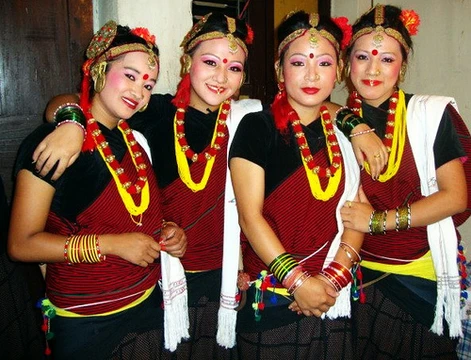
Culture of Turkey
A unique blend of Eastern and Western traditions.

The culture of Turkey, shaped by its historical legacy, geographical position straddling Europe and Asia, and diverse population, has been a nexus of civilizations including the Hittites, Romans, Byzantines, and Ottomans. This confluence has created a unique cultural identity blending Eastern and Western traditions, evident in art, architecture, cuisine, and social customs, with significant regional variations.
- field
- Culture
- nationality
- Turkish
- known_for
- Blending Eastern and Western traditions, Ottoman legacy, Republican reforms
- language
- Turkish (official), with Kurdish, Armenian, and other minority languages
- religion
- Predominantly Islam, with a secular constitution
Lore & Background
The culture of Turkey has been formed by its historical legacy, geographical position, and diverse population. Straddling Europe and Asia, Turkey has been a nexus of civilizations, including the Hittites, Romans, Byzantines, and Ottomans. This confluence has created a unique cultural identity that blends Eastern and Western traditions, evident in its art, architecture, cuisine, and social customs. Turkey has various local cultures, with aspects such as folk dances, food, or music differing from region to region. Before the rise of the Ottoman Empire, Anatolia was home to various civilizations, such as the Hittites, Phrygians, Urartians, Greeks, and Byzantines. These cultures contributed to the region's rich archaeological and architectural legacy, including temples, theaters, and fortresses that continue to influence Turkish cultural expressions today. The Ottoman Empire, spanning over six centuries, left an indelible mark on Turkish culture, fostering advancements in architecture, literature, music, and cuisine with diverse regional influences from the Balkans, Mediterranean, and the Middle East. These changes significantly reshaped Turkish cultural and social life. Turkish society is not homogeneous, and cultural practices vary significantly between regions, with urban centers like Istanbul and Ankara exhibiting more Westernized lifestyles, while rural areas often maintain traditional customs.
Reader's Guide
The culture of Turkey matters as a living synthesis of Eastern and Western traditions, shaped by millennia of civilizations from the Hittites to the Ottomans. Its significance lies in how historical legacies—Anatolian heritage, Ottoman cosmopolitanism, and Republican reforms—continue to influence modern art, literature, music, and social customs. The Ottoman Empire's six-century span left deep marks on architecture, literature, and cuisine, while Atatürk's reforms introduced Western elements like the Latin alphabet and secularism. Turkey's cultural identity is not monolithic; regional variations in dialects, cuisine, and social behaviors reflect its diverse population, including Turkish, Kurdish, Arab, and other minorities. The tension between secularism and increasing religious influence in public life, along with shifts from patriarchal family structures toward nuclear families and greater women's participation, illustrate ongoing cultural evolution. Turkish literature, from folk traditions like the Epic of Köroğlu to Ottoman Divan poetry and modern Western-influenced genres, showcases this blend. The culture's legacy is its ability to incorporate diverse influences while maintaining distinct local traditions, making it a key example of cross-cultural exchange.
Did You Know?
- The world's first female fighter pilot, Sabiha Gökçen, and first jet pilot, Leman Altınçekiç, were both officers in the Turkish Armed Forces.
- Traditional Turkish folk literature includes stories of Karagöz and Hacivat, Keloğlan, İncili Çavuş, and Nasreddin Hoca.
- The Ottoman Divan poetry was a highly ritualized and symbolic art form, with prevalent symbols such as the nightingale and the rose.
More in National Cultures And Ethnic Groups 1-24
Spotted an error? Know more?
This is a living reference — every entry is fact-audited, and reader corrections feed straight into our audit queue. Suggest an edit · See this site's audit record