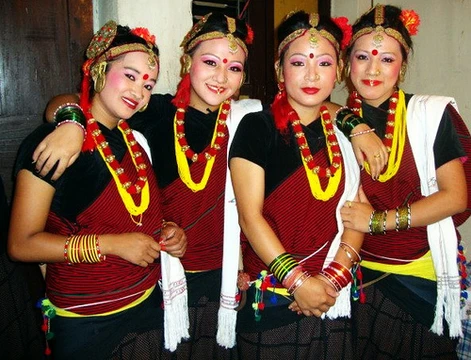
Culture of Polynesia
Polynesian culture spans four eras from exploration to post-World War II.

PaulT (Gunther Tschuch) · CC BY-SA 4.0
The culture of Polynesia encompasses the shared traditions, languages, and social structures of the Indigenous peoples of Polynesia, a vast region of the Pacific Ocean. These peoples, including Samoans, Tongans, Hawaiians, Māori, and others, are genetically linked to Maritime Southeast Asia and Melanesia, and their development is divided into four historical eras: exploration and settlement, development in isolation, European encounter and colonization until World War II, and the post-World War II period.
- label_1
- Historical Eras
- label_2
- Genetic Origins
- value_2
- Maternal DNA links to Taiwanese aborigines; paternal Y chromosome links to Melanesia
- label_3
- Key Archaeological Culture
- label_4
- Notable Navigational Tool
- value_4
- Kaweinga (star or constellation used as steering mark)
- label_5
- First European Contact
Lore & Background
The development of Polynesian culture is divided into four historical eras. The first era, exploration and settlement (c. This culture, known for its distinctive pottery, spread eastward to Fiji, Samoa, and Tonga, where Polynesian culture developed.
Reader's Guide
The culture of Polynesia is significant for its remarkable seafaring achievements, which enabled the settlement of the vast Polynesian triangle across the Pacific Ocean. The Lapita culture's rapid expansion and the development of sophisticated navigation techniques, such as using kaweinga (steering stars), demonstrate advanced maritime skills. The genetic evidence linking Polynesians to both Taiwanese aborigines and Melanesians highlights complex migration patterns. The isolation period fostered diverse political structures, from unified kingdoms to warring tribes, shaped by geography. European contact brought profound changes, including disease, colonization, and missionary influence, while World War II introduced military bases. The legacy of Polynesian culture endures in its languages, customs, and navigational heritage, influencing modern understanding of Pacific history and human migration.
Did You Know?
- Polynesians are genetically linked to Taiwanese aborigines via maternal DNA and to Melanesians via paternal Y chromosome analysis.
- Polynesian navigators used a star or constellation called kaweinga as a steering mark.
Communal Bonds and Tribal Governance
Polynesian societies have long been structured around layered communal bonds that tie individuals to extended family, subtribal groups, and broader tribal collectives. In the Māori tradition of New Zealand, these tiers are named whānau, hapū, and iwi, with leadership vested in a rangatira whose authority depended on the community's continued approval. This hierarchical yet participatory model of governance reflects a broader pattern across Polynesian peoples, where kinship roles and social obligations mirror one another from island to island. What distinguishes Polynesian social architecture is its adaptability: early Māori took the tropically oriented cultural toolkit of east Polynesian ancestors and reshaped it to suit a cooler, more varied New Zealand landscape, ultimately forging a distinctive yet recognisably Polynesian identity. The result is a social fabric in which allegiance to one's tribal group remains a cornerstone of personal identity, a value that persists well into the modern era alongside the influence of foreign cultural currents.
The Polynesian Triangle and Its Outliers
Polynesia occupies a defined geographic sub-region within the larger Oceania family, alongside Australasia, Melanesia, and Micronesia, each distinguished by shared linguistic, religious, and ethnic characteristics. Yet the boundaries of Polynesian cultural influence extend well beyond the familiar triangular zone that gives the region its name. Within the Solomon Islands archipelago, for instance, seven communities—Anuta, Bellona, Ontong Java, Rennell, Sikaiana, Tikopia, and Vaeakau-Taumako—maintain distinctly Polynesian social and cultural practices despite sitting outside the core Polynesian Triangle. These outlier societies demonstrate that Polynesian identity is not confined to a single cluster of islands but radiates outward through centuries of seafaring and settlement. The very existence of these scattered enclaves underscores how deeply maritime navigation and cultural transmission shaped the Pacific, allowing a shared Polynesian heritage to take root in geographically distant and ecologically varied settings.
Syncretism and the Layering of Outside Influences
Polynesian culture has never existed in isolation. From the earliest days of European contact onward, indigenous traditions have interwoven with outside influences, producing a layered and syncretic cultural landscape. The arrival of Christian missionaries, for example, introduced new religious frameworks that reshaped existing spiritual practices, while the broader currents of European colonisation and American mass media—cinema, television, and popular entertainment—added yet another stratum to daily life. Crucially, these cultural spheres do not sit neatly side by side; they overlap, blend, and sometimes conflict, reflecting what scholars describe as the innate diversity and syncretism of human cultures. In New Zealand, Māori communities absorbed elements of British and Irish culture while retaining their own tribal allegiances. In Fiji, indigenous Fijian traditions merged with Indian, Chinese, and Pacific-neighbour influences to forge a multicultural identity. Polynesia's cultural story is thus one of continuous negotiation between the inherited and the imported.
Contemporary Expression, Politics, and Economic Life
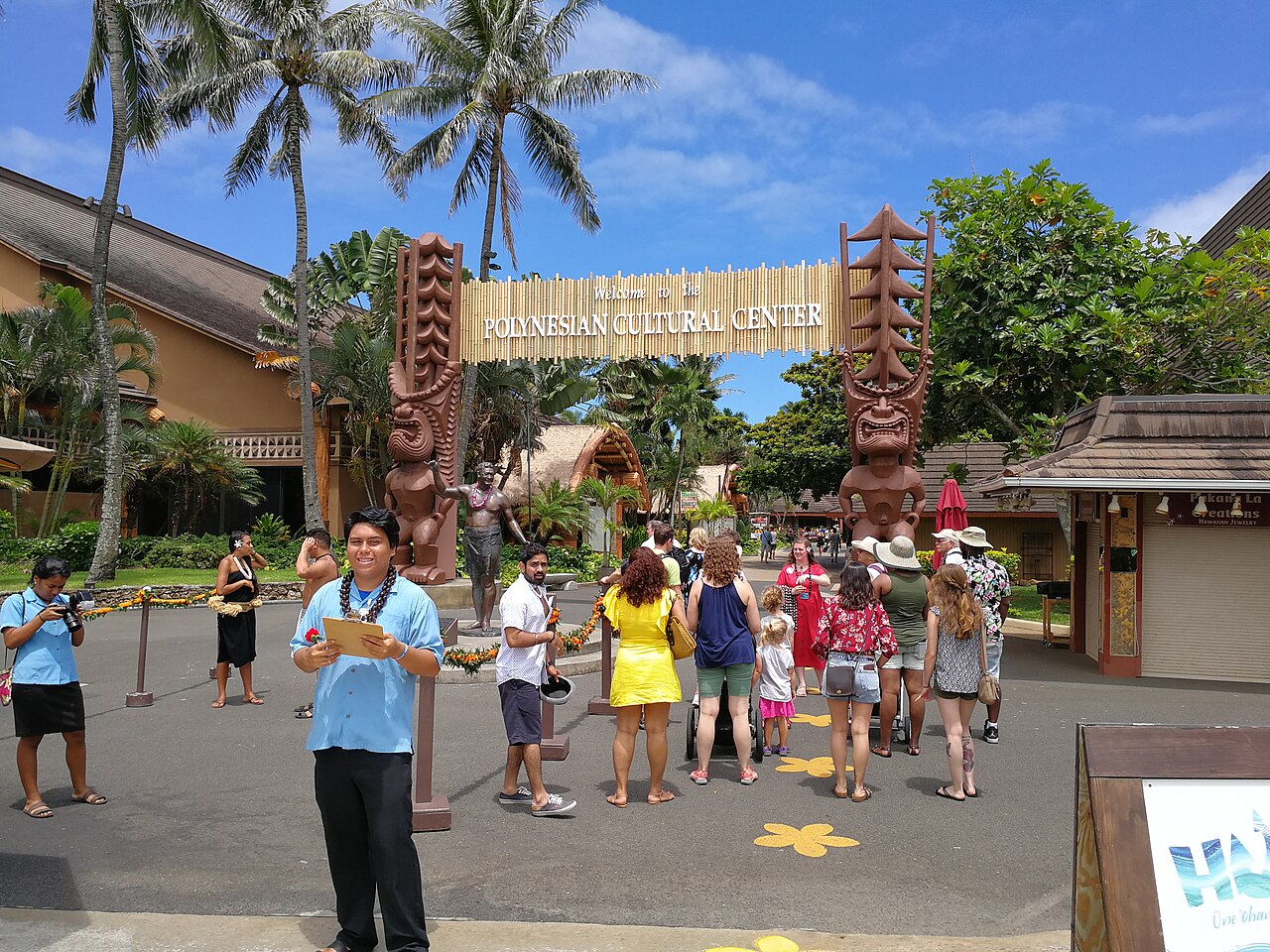
Today, Polynesian cultural life is sustained through a combination of ancient practice and modern institution. The traditions of art, architecture, music, literature, philosophy, and ritual that have been maintained since prehistory continue to shape identity across the Pacific. At the same time, most Oceanian nations operate as multi-party representative parliamentary democracies, and tourism has become a significant economic engine for Pacific Island states, drawing visitors who come specifically to experience living Polynesian culture. One of the most visible contemporary expressions is Pasifika, held annually in Auckland, New Zealand, which has grown into the world's largest Polynesian festival and serves as a gathering point for non-Māori Polynesian communities. These modern platforms ensure that the rich tapestry of Polynesian heritage—its songs, crafts, oral traditions, and communal values—remains not merely a subject of academic study but a vibrant, publicly celebrated force in the twenty-first century.
Gallery
More in National Cultures And Ethnic Groups 1-24
Spotted an error? Know more?
This is a living reference — every entry is fact-audited, and reader corrections feed straight into our audit queue. Suggest an edit · See this site's audit record