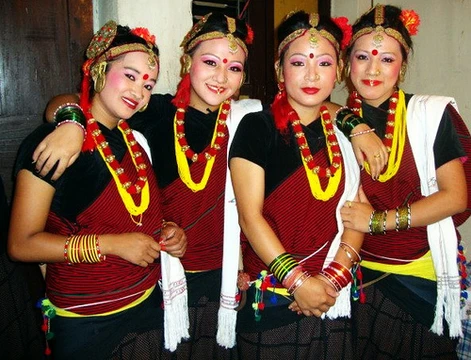
Culture of Mexico
A cultural mosaic blending indigenous, European, African, and Asian influences.

Sophia A01361289 · CC BY-SA 3.0
Mexico's culture emerged from the culture of the Spanish Empire and the preexisting indigenous cultures of Mexico, described as the 'child' of both western and Native American civilizations. Starting in the late 19th century, the government of independent Mexico actively promoted cultural fusion (mestizaje) and shared cultural traits to create a national identity. Despite this base layer of shared Mexican identity and wider Latin American culture, the big and varied geography of Mexico and the many different indigenous cultures create a cultural mosaic, comparable to the heterogeneity of countries like India and China.
- Origin
- Mexico
- Major Influences
- Spanish Empire, preexisting indigenous cultures
- Primary Religion
- Roman Catholicism (89% of population as of 2010)
- Notable Icons
- Pyramids of Teotihuacan, murals of Diego Rivera, image of Our Lady of Guadalupe
- Key Festivals
- Dia de los Muertos, Christmas, Easter
- Distinctive Music
- Mariachi, Norteño, Son Huasteco, ballet folklórico
- Cuisine Staples
- Maize, chili peppers, tacos, mole
Lore & Background
Mexico's culture emerged from the culture of the Spanish Empire and the preexisting indigenous cultures of Mexico, described as the 'child' of both western and Native American civilizations. Other minor influences include those from other regions of Europe, Africa and also Asia. Starting in the late 19th century, the government of independent Mexico has actively promoted cultural fusion (mestizaje) and shared cultural traits in order to create a national identity. Despite this base layer of shared Mexican identity and wider Latin American culture, the big and varied geography of Mexico and the many different indigenous cultures create more of a cultural mosaic, comparable to the heterogeneity of countries like India and China.
Reader's Guide
Mexico's culture is significant for its synthesis of Spanish and indigenous traditions, forming a unique national identity. The government's promotion of mestizaje from the late 19th century onward aimed to unify a diverse population, yet regional variations remain strong, influenced by geography, history, and indigenous cultures. Icons such as the pyramids of Teotihuacan, the murals of Diego Rivera, and the image of Our Lady of Guadalupe symbolize this blend. Mexican cuisine, using indigenous ingredients like maize and chili peppers, and festivals like Dia de los Muertos, which combine indigenous traditions with Catholic rituals, exemplify cultural fusion. Music genres like mariachi and regional dances express diversity and pride. The arts, from pre-Columbian architecture to post-Revolution muralism, reflect political and social themes. Literature, from Sor Juana Inés de la Cruz to Octavio Paz, contributes to global letters. Religion is predominantly Roman Catholic, with a secular state and constitutional limitations on the church. Contemporary life in cities resembles that of the United States and Europe, while provincial areas conserve traditions more. The culture of an individual Mexican is influenced by familial ties, gender, religion, location, and social class.
Did You Know?
- Mexico has the world's second largest number of Catholics after Brazil.
- The government of independent Mexico actively promoted cultural fusion (mestizaje) starting in the late 19th century.
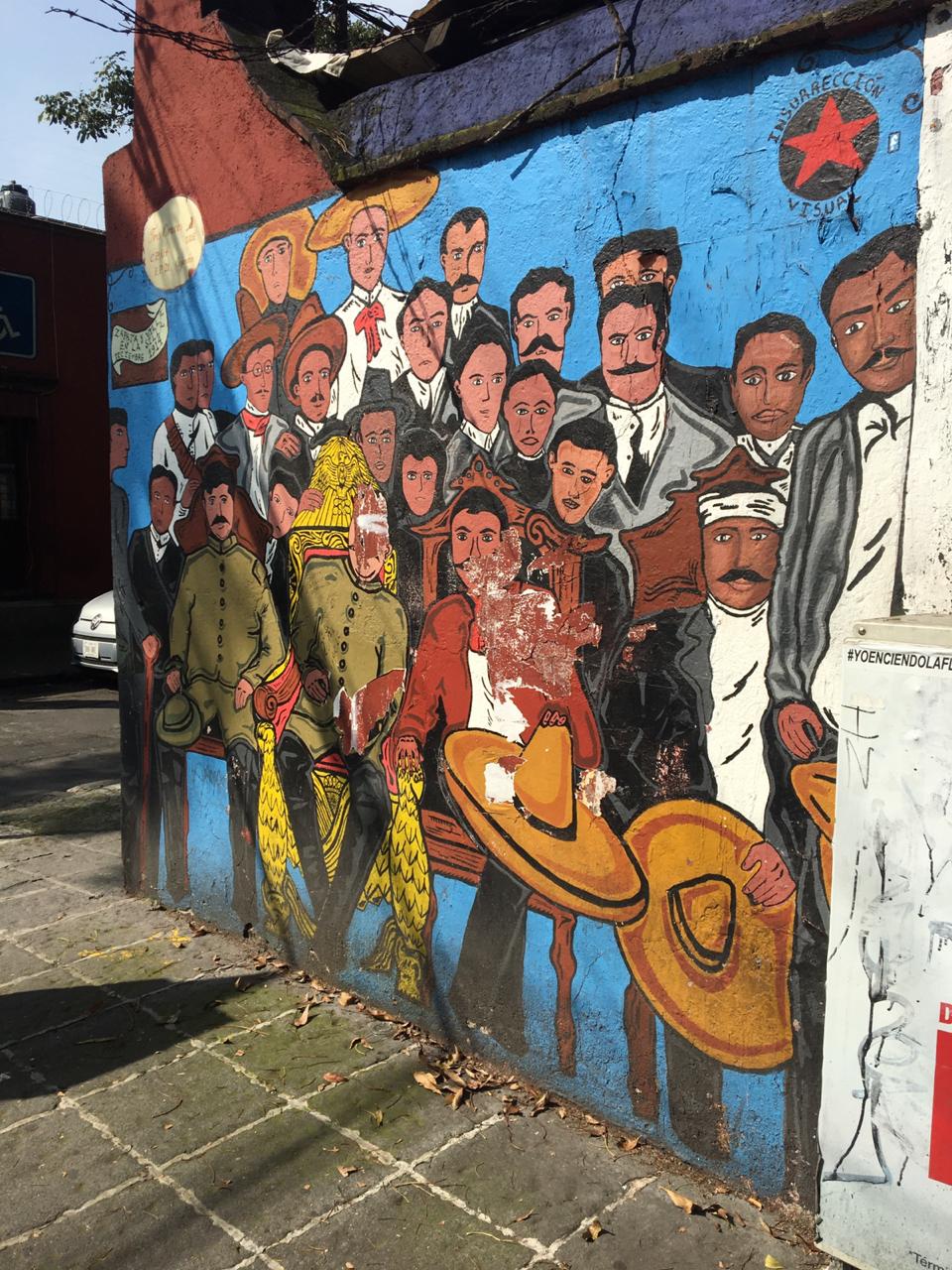
- Mexican muralism, led by Diego Rivera, José Clemente Orozco, and David Siqueiros, promoted social ideals through grand public murals.
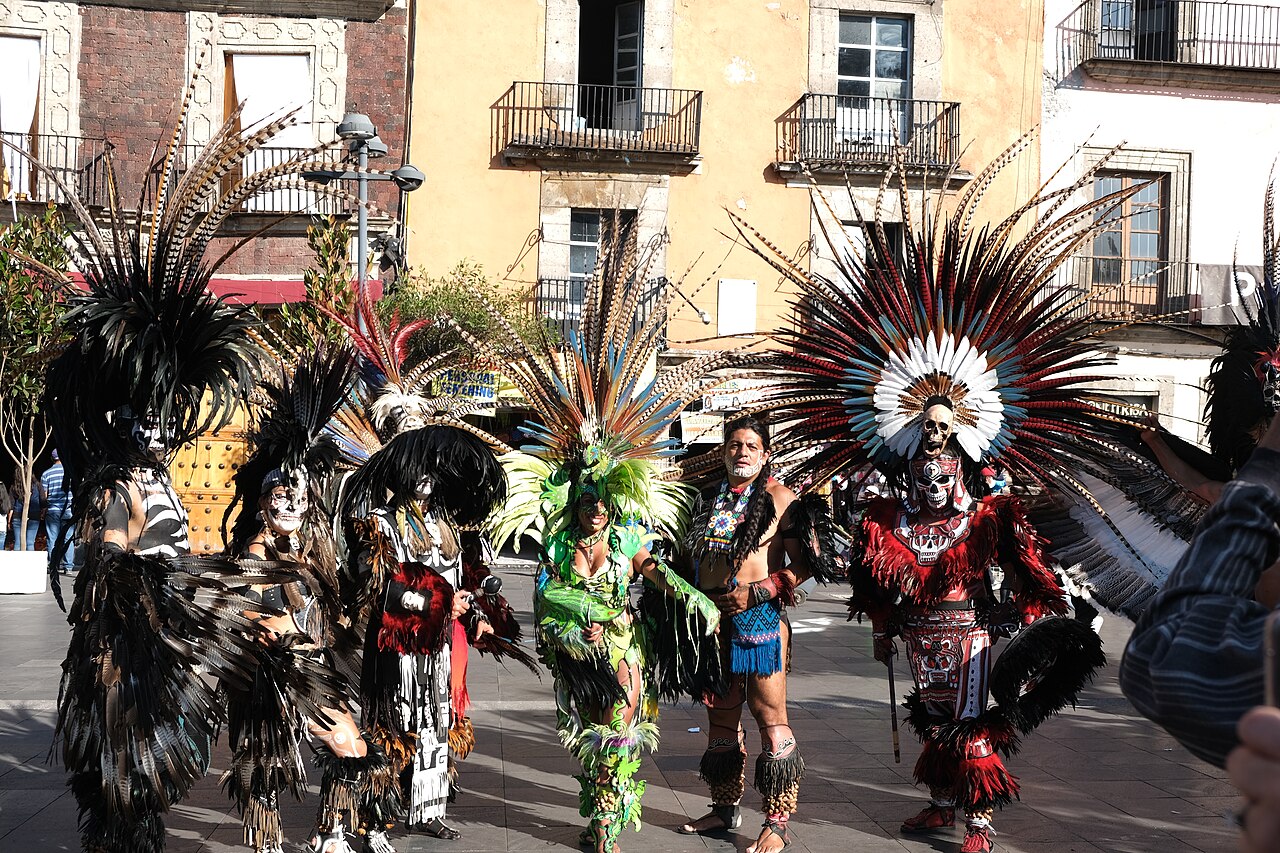
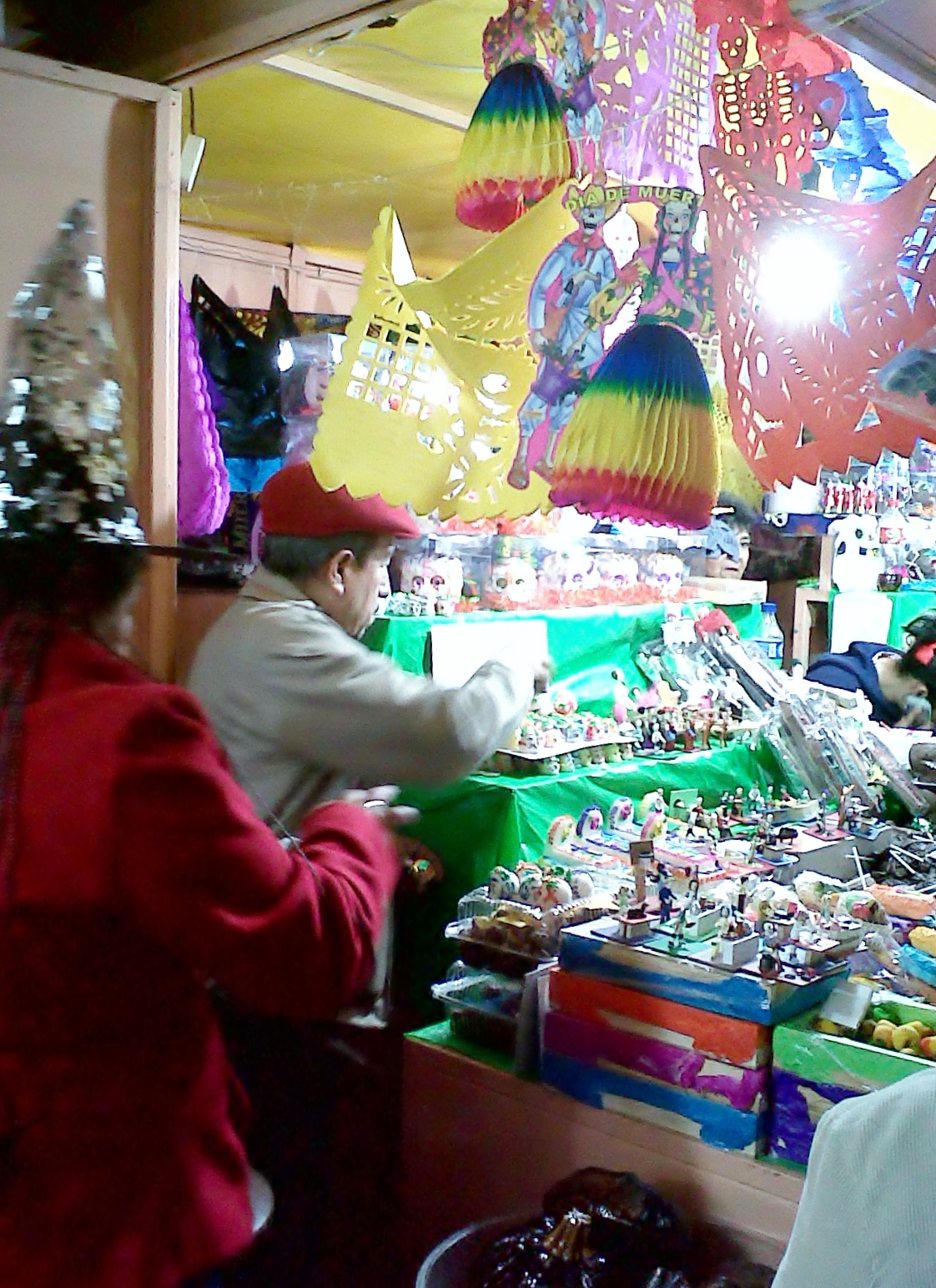
- Dia de los Muertos celebrates indigenous traditions alongside Catholic rituals.
A Civilization Forged in Convergence
Mexico's cultural identity was not born from a single source but rather from a layered collision of civilizations. The land was home to sophisticated societies for over ten thousand years before European contact, establishing it as one of the world's cradles of civilization. When Spanish rule took hold for roughly three centuries, the territory became a meeting point where European, Native American, West African, and even minor Asian currents intermingled. The resulting culture is often described as the offspring of both Western and indigenous traditions. After independence, the Mexican government deliberately championed this blending—known as mestizaje—as a unifying national project. Yet the country's vast geography and the sheer number of distinct indigenous groups mean that beneath this shared identity lies a patchwork of local traditions, a diversity sometimes likened to the internal variety found in India or China.
A Mosaic of Regions and Flavors
Mexico's cultural landscape shifts dramatically from one region to the next. The arid north is defined by cattle-based cooking—carne asada and asado stand out—and by the driving rhythms of Norteño music. Central Mexico, anchored by Mexico City, is the homeland of Mariachi and a treasure trove of dishes like mole and tacos al pastor. In the lush south, states such as Oaxaca and Chiapas carry a strong indigenous imprint, offering tropical preparations like cochinita pibil and mole de olla. The Yucatán Peninsula leans into its Mayan heritage with achiote-spiced cooking, seafood, and its own musical traditions. Along the Pacific and Gulf coasts, seafood dominates the plate, while Son Huasteco echoes across the eastern shore. The Bajío, a temperate agricultural heartland, is celebrated for hearty fare such as carnitas. Together these regions form a culinary and artistic tapestry as varied as any on the continent.
Muralism, Craft, and the Post-Revolutionary Art Boom
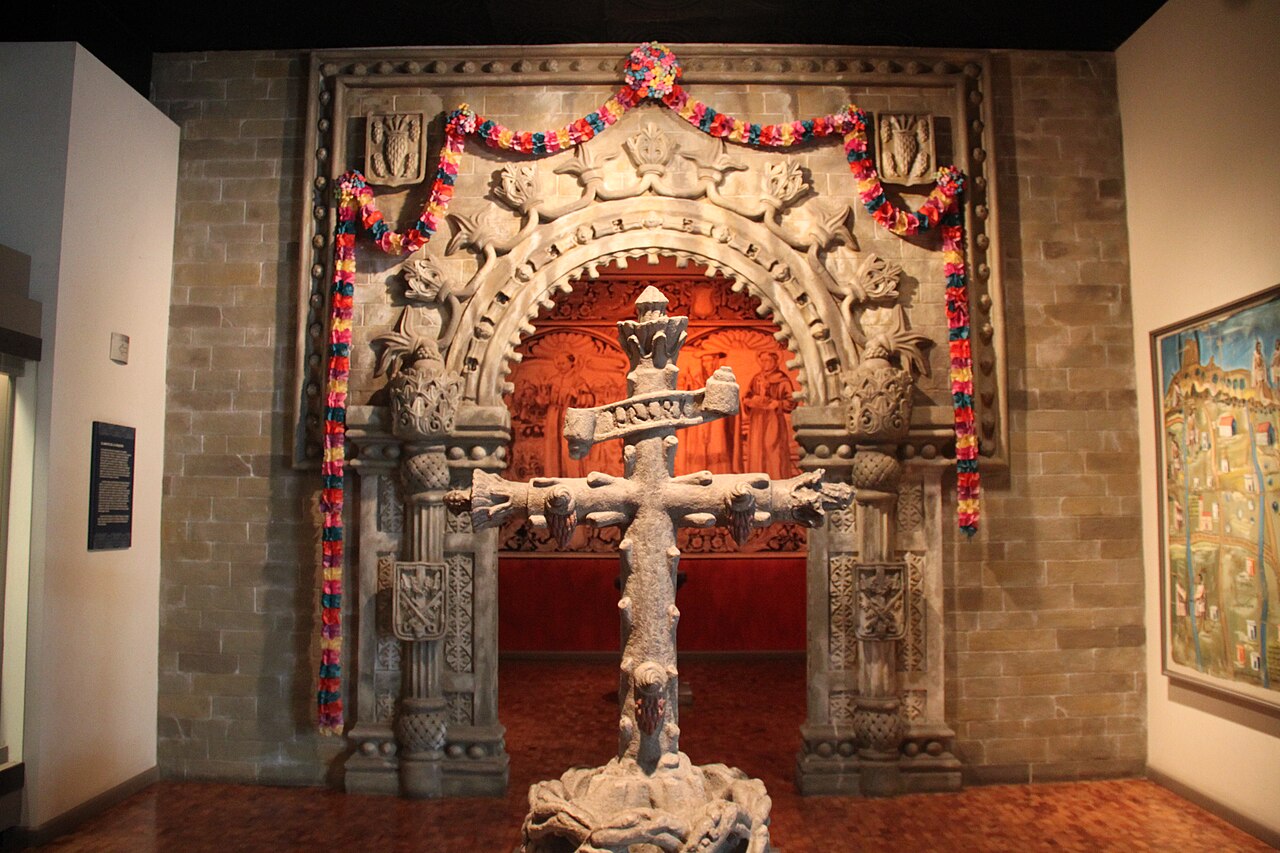
Mexico's artistic heritage stretches back to pre-Columbian times, spanning from roughly 1800 BC to AD 1500, and is marked by angular linear patterns and three-dimensional ceramics. Folk handicrafts remain vibrant: clay pottery from Oaxaca's valley and Tonala, embroidered cotton garments, woven shawls, and colorful baskets and rugs are found throughout the country. After the Spanish conquest, artistic energy channeled into evangelization, with indigenous stonemasons and sculptors enlisted to raise churches and altars in the Baroque idiom. The true rupture came after the Mexican Revolution, when a new generation of painters—Diego Rivera, José Clemente Orozco, and David Siqueiros—launched the muralism movement, painting grand political and historic scenes on public buildings to promote social ideals. Alongside them, Frida Kahlo and Rufino Tamayo pursued more personal, abstract expressions, while Manuel Álvarez Bravo elevated Mexican art photography to international recognition.
Faith, Secularism, and the Rhythm of Religious Life
Roman Catholicism arrived with the Spanish and quickly became the dominant faith, with roughly 89 percent of Mexicans identifying as Catholic and the country holding the world's second-largest Catholic population after Brazil. Yet Mexico is constitutionally a secular state: the 1917 Constitution and subsequent anti-clerical laws restrict church involvement in public education and bar the government from providing financial support to religious institutions. Despite these legal boundaries, Catholic observance remains deeply woven into daily life—Christmas is a national holiday, and both public and private schools close for Easter and Christmas breaks. Around 47 percent of Catholics attend weekly services. Smaller communities of evangelicals, Jehovah's Witnesses, Seventh-day Adventists, Latter-day Saints, Jews, and others add to the religious texture, while about 3.5 percent of respondents in the 2000 census reported no religious affiliation at all.
Gallery
More in National Cultures And Ethnic Groups 1-24
Spotted an error? Know more?
This is a living reference — every entry is fact-audited, and reader corrections feed straight into our audit queue. Suggest an edit · See this site's audit record