Culture of Nigeria
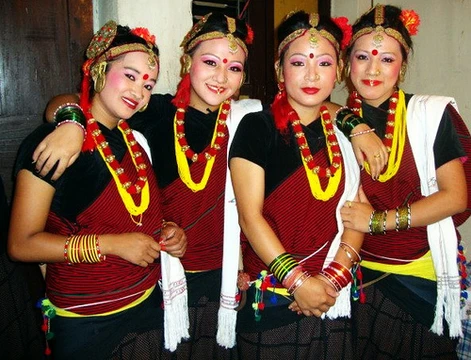
Nigeria's culture is defined by its diverse ethnic groups and languages.

Wikimedia Commons · CC BY 4.0
The three largest ethnic groups are the Hausa in the north, the Yoruba in the southwest, and the Igbo in the southeast, each with distinct traditions, religions, and histories. Other significant groups include the Kanuri, Tiv, Efik-Ibibio, Bini, Fula, and Ijaw, contributing to a rich tapestry of cultural practices, including syncretism where indigenous beliefs blend with Christian or Muslim faiths.
- Largest ethnic groups
- Hausa, Yoruba, Igbo
- Major religions
- Islam, Christianity, traditional beliefs
- Notable cultural practice
- Syncretism
Lore & Background
The Bini, also called Edo people, are primarily in Edo State and are known for their Benin Bronzes and pre-colonial empire. They are ruled by monarchs and speak the Edo language. The Hausa and Fula, often counted together due to cultural similarity, live in northern Nigeria and are predominantly Muslim. The Hausa formed well-organized city-states before the Fula arrival, which brought reformation of Islam. The Fula practice a marriage obligation called Sharo, involving whipping a suitor, which has increased monogamy. The Igbo, mostly Christian, are based in southeastern Nigeria and have a traditional religion called Omenani/Omenala, which includes immutable customary rites (Odinana) and adaptable man-made practices (Omenana). They are led by monarchs with historically limited power and confer titles through the Nze na Ozo system.
Reader's Guide
The three largest groups—Hausa, Yoruba, and Igbo—each have distinct religious profiles: Hausa and Fula are almost entirely Muslim, Igbo almost completely Christian, and Yoruba equally Christian and Muslim with traditionalists. Indigenous religious practices remain important across all groups, often blended through syncretism. The Bini are renowned for their Benin Bronzes and pre-colonial empire, while the Ijaw, native to the Niger Delta, have ancient origins possibly linked to the Nile Valley. The Fula's nomadic lifestyle spread them across West Africa, and the Hausa are noted as merchants. This cultural mosaic, with its monarchies, festivals like Hawan Sallah, and title systems such as Nze na Ozo, underscores Nigeria's role as a crossroads of civilizations and a repository of diverse traditions.
Did You Know?
- The Fula practice a marriage obligation called Sharo, involving whipping a suitor.
- The Igbo traditional religion includes Odinana, immutable customary rites handed down from Chukwu.
Linguistic & Ethnic Mosaic
Nigeria's cultural identity is inseparable from its staggering human diversity. The country is home to 527 distinct languages, many of which face the threat of disappearing entirely, alongside more than 1,150 dialects and ethnic groups. Three communities dominate the demographic landscape: the Hausa concentrated in the north, the Yoruba in the southwest, and the Igbo in the southeast. Beyond these, the Kanuri anchor the northeast, the Tiv occupy the north-central belt, and the Efik-Ibibio communities thrive in the south-south. The Bini, or Edo people, settle in the corridor between Yorubaland and Igboland. Smaller groups, often labeled minorities, are scattered across the north and middle belt, while the traditionally nomadic Fula have spread throughout West and Central Africa. This extraordinary patchwork means that no single narrative can capture Nigerian culture; instead, it exists as a living mosaic of traditions, tongues, and worldviews coexisting within one national boundary.
Religious Syncretism & the Layered Sacred
Faith in Nigeria resists simple categorization. The Hausa and Fula populations are almost entirely Muslim, while the Igbo, Bini, and Ibibio communities are predominantly Christian. The Yoruba, making up roughly 21 percent of the national population, sit at a unique crossroads: they are divided almost equally between Christianity and Islam, with a significant community of traditionalists maintaining older spiritual practices. Yet across every ethnic group, indigenous religious beliefs retain a powerful presence. Rather than being displaced by imported faiths, these ancestral traditions are frequently woven into Christian or Islamic practice—a phenomenon known as syncretism. This blending means that a Nigerian Muslim may observe Islamic prayer while still honoring ancestral spirits, or a Christian Igbo may incorporate elements of Omenani into worship. The result is a spiritual landscape where boundaries between faiths are permeable, and the sacred is understood as a layered, living inheritance rather than a single, exclusive truth.
Bini Heritage: Empire, Bronzes & the Name Benin
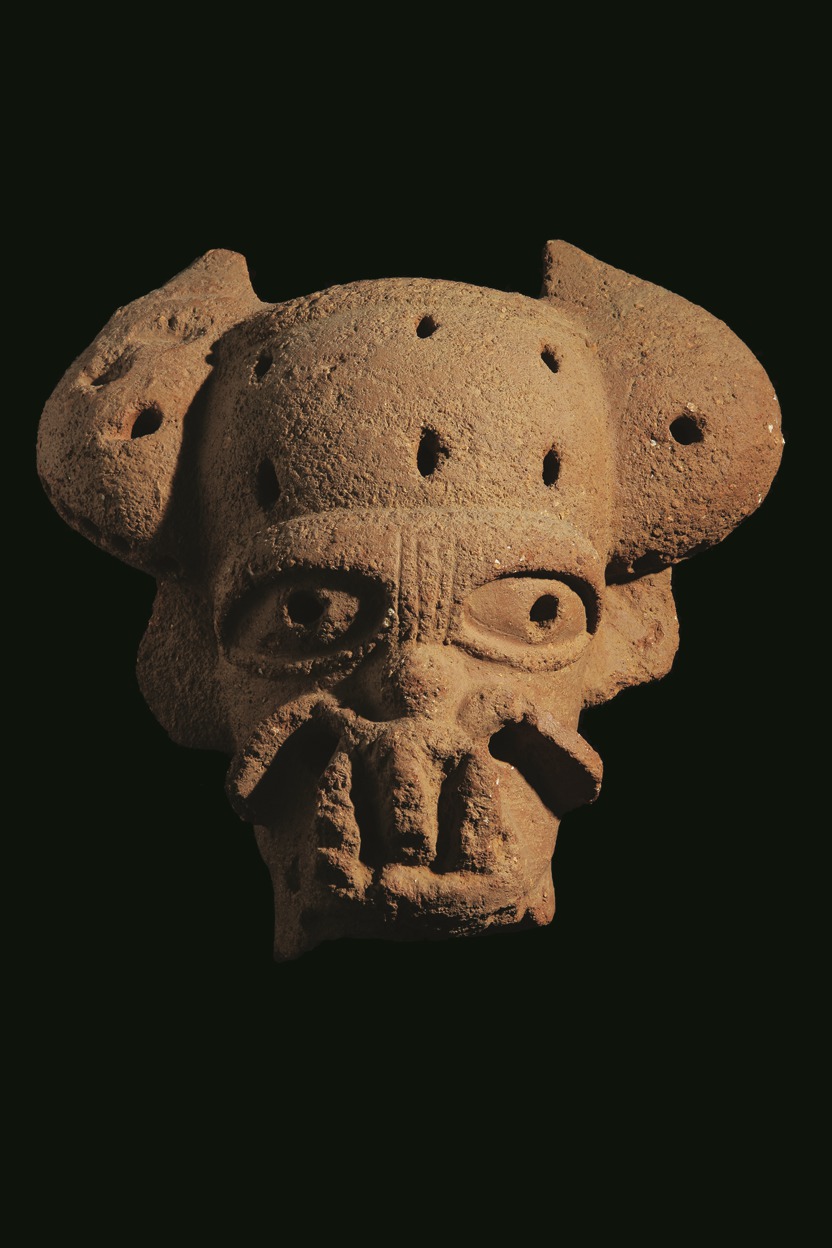
The Bini, also known as the Edo people, number approximately 3.8 million and are concentrated in Edo State, with smaller communities in Delta, Ondo, and Rivers states. Governed by monarchs, they presided over a powerful pre-colonial empire and remain renowned for their extraordinary Benin Bronzes. The very name Benin carries a fascinating etymological journey. During the reign of Oba Ewuare the Great around 1440, the term Ubinu was used to designate the royal administrative capital of the Edo kingdom. As mixed ethnicities gathered at this center, Ubinu gradually shifted to Bini. Around 1485, when Portuguese traders established commercial relations with Oba Ewuare, the word was further distorted into Benin, a corruption that stuck and now labels the entire nation. The Bini speak the Edo language and share close linguistic kinship with neighboring groups such as the Esan, who also speak Edo-family languages.
Hausa-Fulani: City-States, Trade & Islamic Transformation
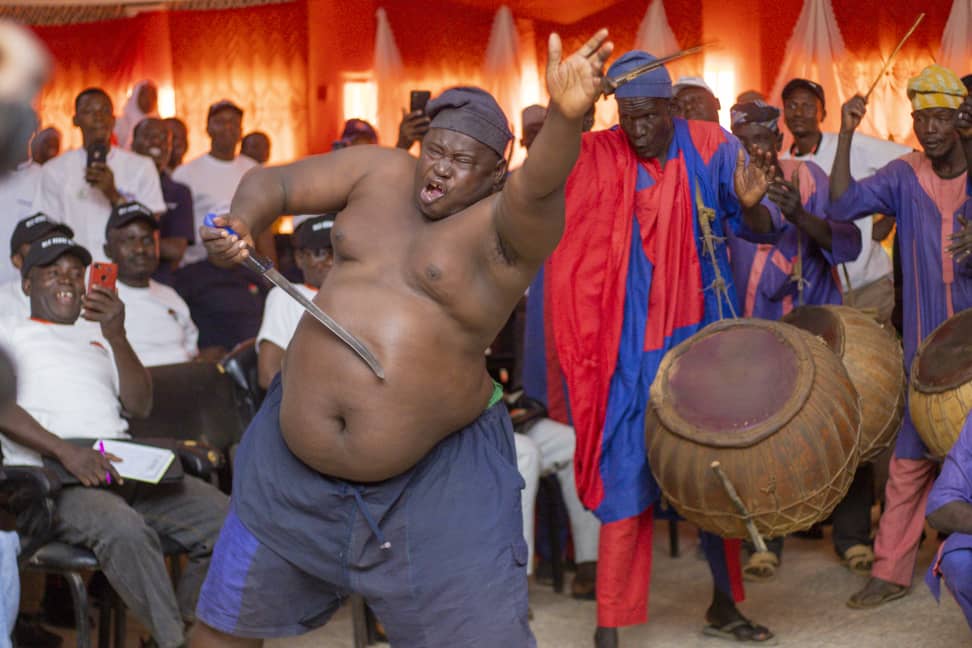
The Hausa and Fula together form one of Nigeria's largest ethnic blocs, exceeding 20 million people, and are often treated as a single cultural unit despite being distinct tribes. Centered around Kano, Sokoto, and Katsina—historic hubs on the trans-Saharan caravan routes—the Hausa had already built well-organized city-states including Zazzau (Zaria), Daura, Biram, Gobir, and Borno before the Fula arrived. The Fula's entry into Hausaland triggered profound transformation, most notably a reformation of Islam that reshaped social life, education, dress, and cultural taste, embedding both groups deeply into the broader Islamic world. The Fula, by nature nomadic, spread across virtually all of West Africa and practiced Sharo, a marriage obligation involving the whipping of a suitor before the bride was given, a custom that reinforced monogamy. The Hausa, meanwhile, flourished as merchants, celebrated the Hawan Sallah festival, and followed the teachings of Sheikh Usman dan Fodio, whose influence persists to this day.
Gallery

More in National Cultures And Ethnic Groups 1-24
Spotted an error? Know more?
This is a living reference — every entry is fact-audited, and reader corrections feed straight into our audit queue. Suggest an edit · See this site's audit record